


What We Do
Sahabat Alam Papua (SAPA) accompanies tribal communities in New Guinea on the following two working areas.

Spirit-Led Conservation
- Identification, documentation and legalization of natural and customary laws, in order to obtain recognition and protection within modern legal, political, and administrative systems in New Guinea.
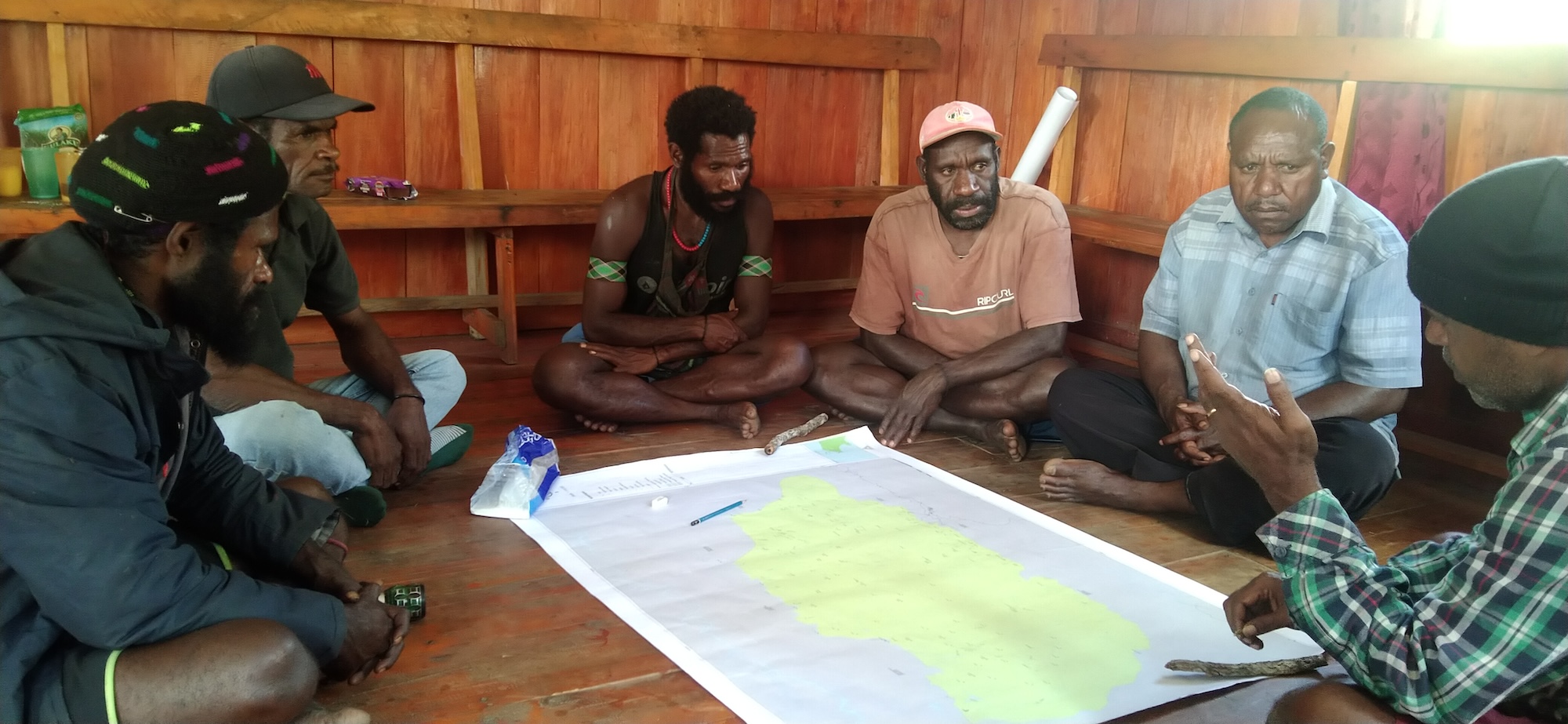
- Consultation and collaboration with customary elders, youth, and other groups within tribal communities to conduct participatory mapping of customary territories.
- Presentation of findings in public seminars including academics, legal practitioners, environmental experts, and local to national governments.
- Support the results process including the drafting of legislation based on regional government regulations which can be formally enacted as law. This offers a form of recognition and legal protection for natural law and tribal governance law.

Support the establishment and strengthening of Indigenous-owned businesses and charitable foundations
- SAPA accompanies leaders and communities as a learning partner to help share skills, knowledge and experiences for Indigenous sovereignty in the modern era of globalisation.
Targets & Key Results
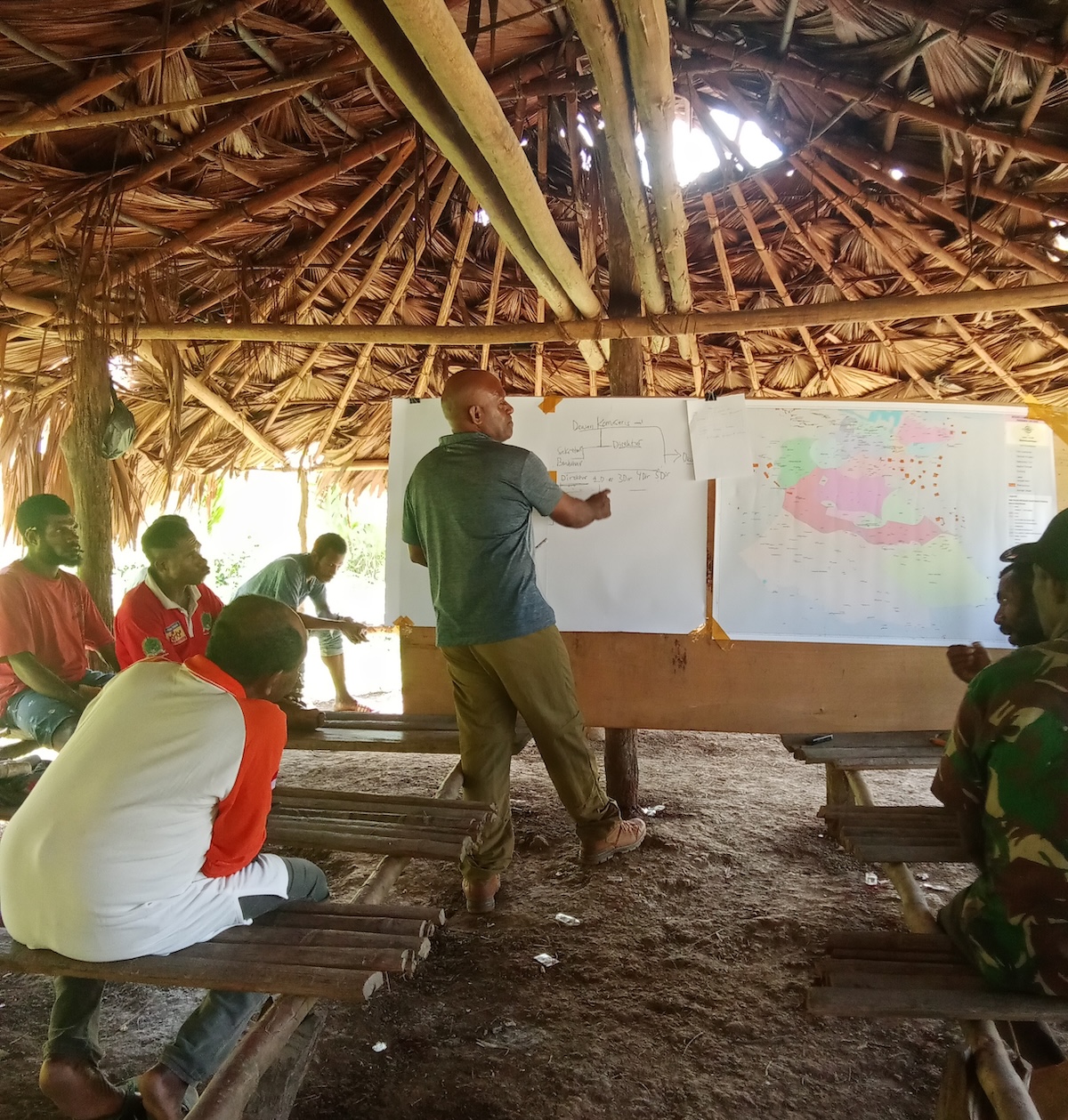
Tribal territories are mapped through a participatory process
Focusing on geographical boundaries, socio-cultural relations and Storylines present within the landscape. These maps are created by community members themselves and collaboratively refined with mapping experts to enable formal documentation and to serve as a public reference.
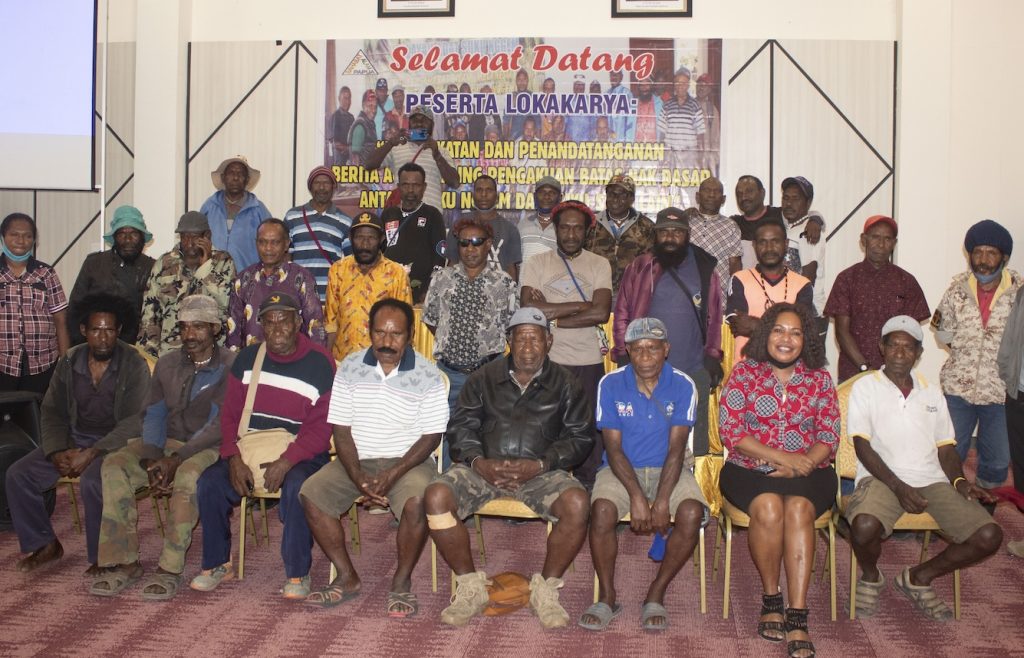
Tribal laws are documented and legalized
Customary laws are recorded, published, and made publicly available. There is a principle across New Guinea binding tribal communities through One Tribe, One Language and One Customary Law. SAPA supports communities through the legalization process with relevant regional government authorities.
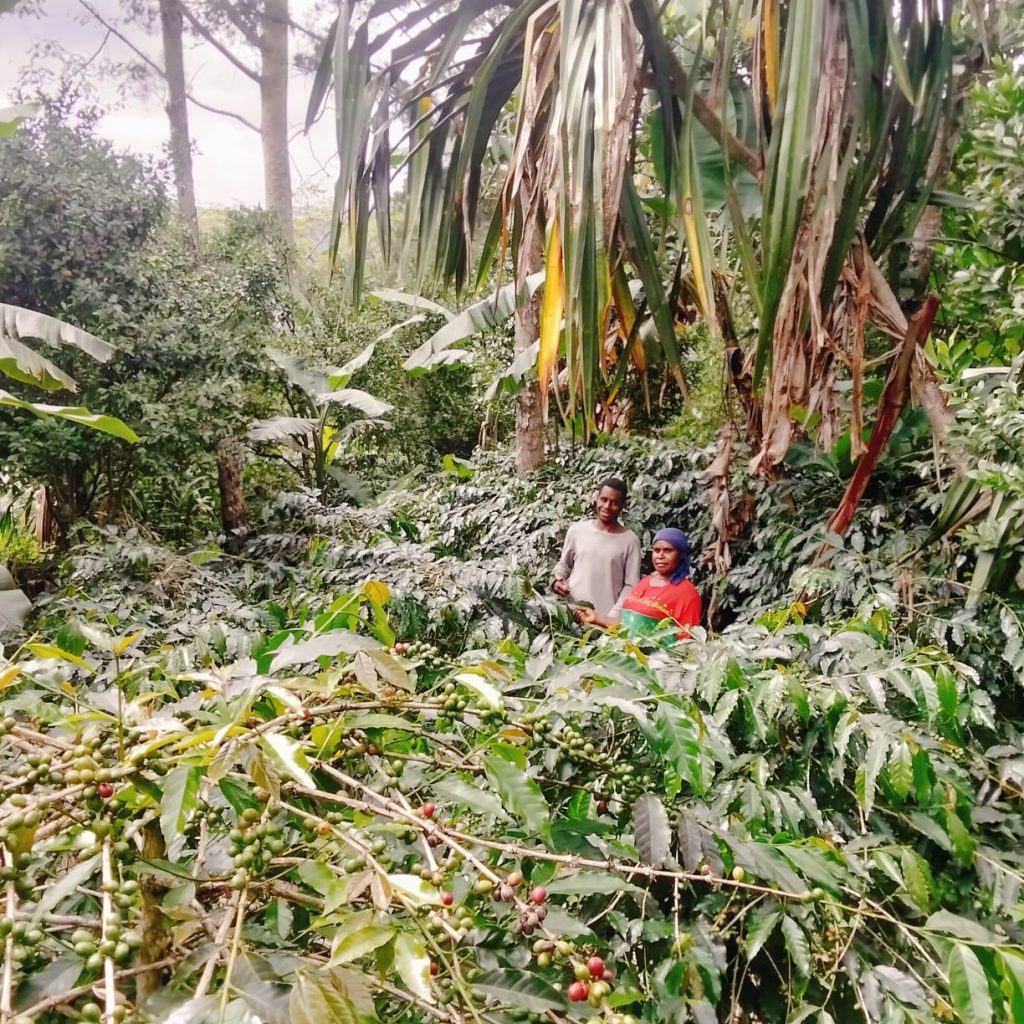
Indigenous-owned cooperatives sustain a modern tribal life
Cooperatives and charitable foundations are registered at the tribal-level to preserve and sustain the continuity of customary life within a modern context.
Become a Friend
of Nature Papua
Join us in supporting the harmony of life in Papua. Reach out to learn more or explore ways to collaborate.
SAPA Office
Jl Pos 7, Komplex Missie No 77
Sentani-Jayapura, Papua